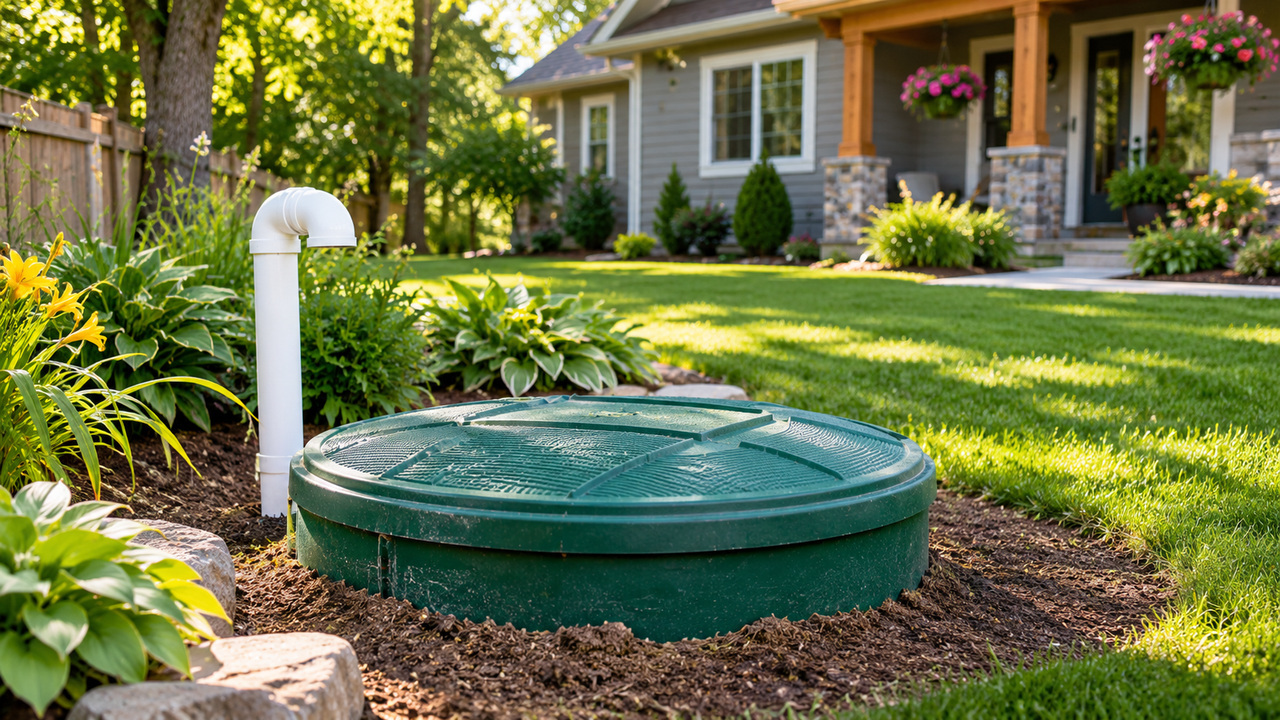
 A house with a private septic system may offer the space and privacy many buyers want, especially outside areas served by public sewer lines. Yet septic systems are an important part of a property’s infrastructure, and their condition can affect both the purchase decision and the mortgage process. Buyers who understand the basics before making an offer are better prepared for inspections, documentation requests, and possible repairs.
The System Is Part of the Property
A septic system typically collects wastewater from the home, treats it in a tank, and disperses it through a drain field or another approved treatment arrangement. Unlike a public sewer connection, the homeowner is generally responsible for maintenance and repairs. Pumping schedules, household water use, soil conditions, and the age of the equipment can all influence how the system performs over time.
Why Lenders Pay Attention
Mortgage financing is secured by the property, so lenders want to know that essential systems are functional and that the home meets applicable property standards. Depending on the loan program, appraisal observations, and local regulations, a septic inspection or additional documentation may be needed. Some issues are discovered during a buyer’s independent inspection rather than the lender’s appraisal. Requirements vary, and not every home with a septic system needs the same review.
A Small Symptom Can Point to a Larger Problem
Slow drains, persistent sewage odors, wet areas near the drain field, or a history of frequent backups deserve attention. These signs do not always mean the system has failed, but they justify further investigation by a qualified professional. A replacement drain field or major system repair can be expensive and may require permits, engineering, or suitable space on the lot.
Ask About Records and Location
Before buying, request available pumping and inspection records, installation permits, and any drawings showing where the tank and drain field are located. Knowing the location matters because homeowners may be restricted from building structures, driving heavy vehicles, or planting certain trees over parts of the system. If the property has a pool, detached building, or planned addition, it is worth confirming that those improvements do not interfere with septic components.
Plan for Both Closing and Ownership
If an inspection identifies a problem, the buyer and seller may need to negotiate repairs, obtain specialist evaluations, or address a lender condition before closing. Buyers should also budget for routine pumping and eventual equipment replacement after moving in. A home warranty or standard homeowners insurance policy may not cover every septic-related expense, so review coverage carefully rather than assuming protection.
A private septic system is not a reason to reject a home automatically. Many systems operate reliably for years when properly designed and maintained. The smarter approach is to understand the system’s condition, its maintenance history, and any financing requirements before you make a long-term commitment.